Brisbane Schools Report Rising Enrolment Numbers Ahead of 2027
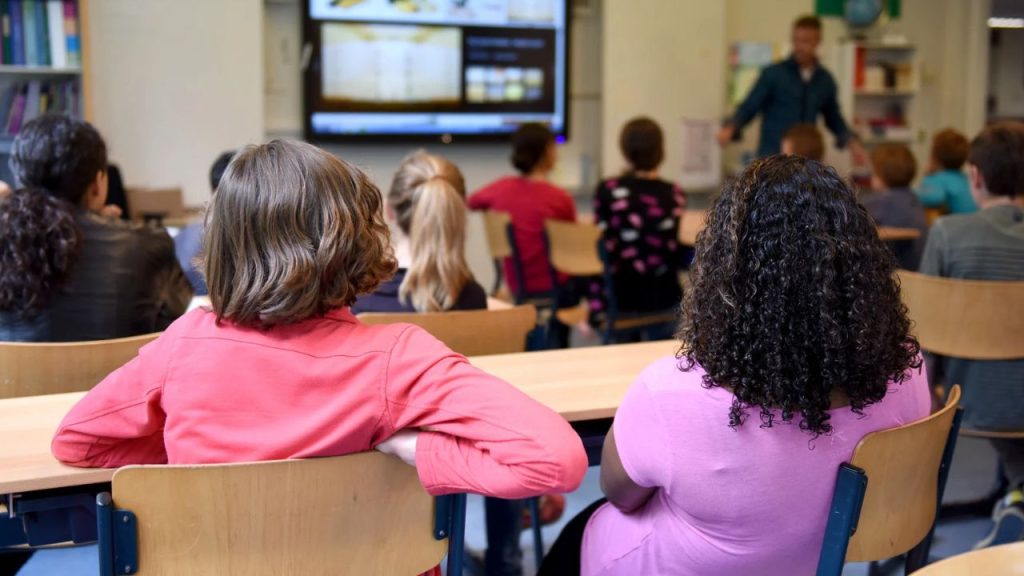
The car park at Ashgrove State School was already full by 8:15 on a Tuesday morning, and parents were doubling up on the street outside, hazards flashing, kids sprinting for the gate. Principal staff have seen this kind of scramble before, but this year it’s starting earlier and lasting longer. Enrolment forms are coming in at a pace that’s caught more than a few schools off guard.
Across Brisbane, primary and secondary schools are reporting enrolment numbers for 2027 that are running well ahead of where they sat this time last year. The growth isn’t isolated to one pocket of the city. It’s showing up in the inner north, out through the western corridor, and in pockets of the south side where new housing has gone in over the past three years.
Part of it is simple maths. Brisbane’s population has kept climbing, driven by interstate migration and overseas arrivals settling in the city’s middle ring suburbs rather than the CBD. Families who might once have looked at the Gold Coast or Sunshine Coast are staying closer in, chasing shorter commutes as more employers call people back to the office. That’s put pressure on schools that were already sitting close to capacity.
“We’ve had to put people on a waitlist for prep for the first time since I’ve been here,” said one administration officer at a school in the Ashgrove catchment, who asked not to be named while enrolment numbers are still being finalised. “Normally by this point in the year we know roughly where we’ll land. This year we genuinely don’t.”
It’s not just the inner suburbs feeling it. Schools out towards Ripley and Yarrabilba, both earmarked years ago for rapid growth, are now dealing with the reality of that growth arriving faster than some of the supporting infrastructure. Yarrabilba in particular has seen several new housing estates reach completion in the past eighteen months, and the local primary school has had to bring in demountable classrooms twice since 2024 just to keep pace.
The Department of Education has flagged several new builds and expansions in its forward works program, but anyone who’s tried to get a straight answer on timing knows these things tend to slip. A new secondary school planned for the Ripley Valley has already had its opening pushed back once, and parents in the area aren’t holding their breath for it to land exactly on schedule.
Private and independent schools are feeling a version of the same squeeze, though for slightly different reasons. Several of the city’s longer-established schools, the ones with decades of reputation behind them, have reported enrolment enquiries up noticeably on last year. Open day numbers at a handful of south-side independent schools were reportedly double what they were in 2024, according to staff fielding the calls. Whether that translates into confirmed places is another question, since many of these schools cap year levels tightly and work off waiting lists that can run years long.
For state schools, the mechanics are different but the pressure is similar. Queensland’s system is built around catchment zones, and when a catchment fills, the school has limited room to move. Out-of-area applications, which used to be a reasonably reliable backup option for families who missed out locally, are being knocked back more often this year. One mother in Chermside, trying to get her son into a school outside her immediate zone after a late move, said she’d been told flatly there was no space and wouldn’t be before 2028 at the earliest.
“We moved here in July thinking it’d be straightforward,” she said. “Turns out half the street had the same idea.”
There’s also a quieter trend running underneath the headline numbers: a shift in where families are choosing to live relative to where they want their kids to go to school. Real estate agents in a few of Brisbane’s better-known school catchments, places like Indooroopilly, Mount Gravatt, and Wavell Heights, say they’re fielding more questions about which specific school a property feeds into than they were five years ago. For some buyers, the catchment boundary now matters more than the size of the backyard.
None of this is happening in a vacuum. Brisbane’s push toward the 2032 Olympics has brought a wave of infrastructure spending and construction jobs into the city, and that’s pulled more working families in behind it. Add in the usual mix of young families upgrading out of apartments and into houses with better access to schools, and the pressure on enrolment numbers starts to make a lot more sense.
Education Queensland hasn’t put out a formal statement specifically addressing the 2027 numbers yet, though a spokesperson for the department said school enrolment is reviewed on a rolling basis and additional capacity is considered where sustained demand is identified. For families currently navigating waitlists, that’s a fairly cold comfort heading into enrolment season.
Schools themselves are doing what they can in the meantime. A few in the inner north have already started conversations with the department about additional demountables for the start of next year, while others are quietly encouraging families to get applications in earlier than usual, well before the typical cutoff in term four.
If you’re weighing up a move or trying to lock in a spot for 2027, the advice from most schools right now is the same: don’t wait for the usual deadline. Catchment checks are free through the Education Queensland website, and a phone call to the school directly will usually get you a far clearer answer than the online portal does. For families still deciding between suburbs, it might be worth putting the school search ahead of the house hunt this time around, not after it.