Brisbane E-Bike Safety: What Riders Need to Know at Night
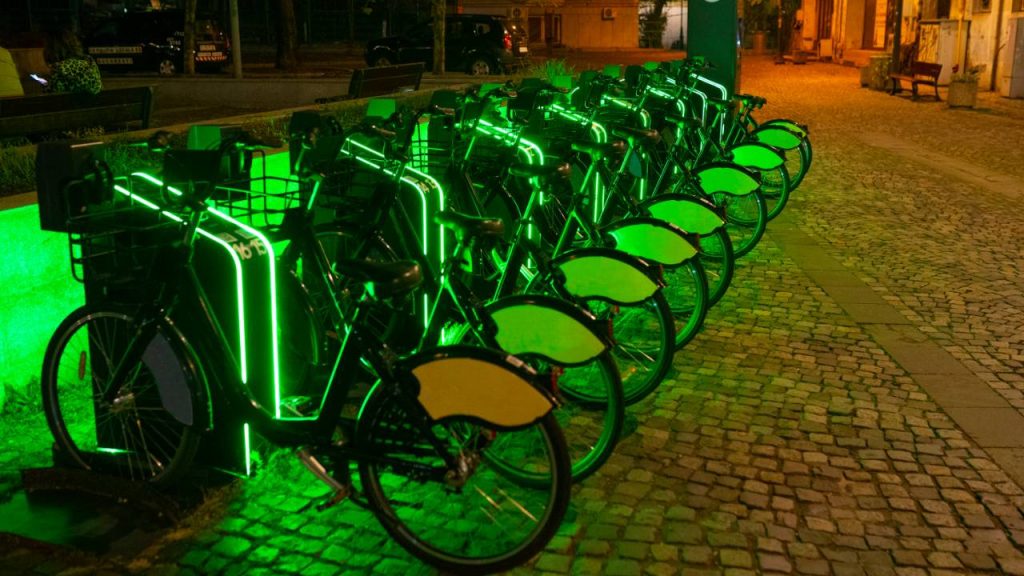
Ride down Kelvin Grove Road after 8pm and you’ll see them everywhere now. E-bikes gliding past with barely a sound, riders in dark hoodies weaving between parked cars and pedestrians who never heard them coming. Brisbane’s love affair with electric bikes happened fast, maybe too fast, and the infrastructure hasn’t caught up with how many of these things are actually on the road once the sun goes down.
Here’s the problem nobody wants to say out loud: e-bikes are quiet, they’re fast, and at night that combination gets people hurt. A regular pushbike tops out around 25km/h if you’re pedaling hard. An e-bike gets there without much effort at all, and some of the modified ones people are riding around the West End and Fortitude Valley go well past the legal 25km/h assist limit. Add low light, a driver checking their phone at an intersection, and a rider who assumes they’re visible because their handlebars have a little blinking light, and you’ve got a recipe for a hospital visit.
Table of Contents
Why night riding is different
During the day, your bulk and movement give drivers something to react to. At night, none of that matters if they can’t see you in the first place. Brisbane City Council data has flagged a rise in cyclist incidents during evening commute hours over the past two years, and while not all of those involve e-bikes specifically, riders and paramedics on the ground will tell you e-bikes are showing up in a growing share of the reports. Faster bikes covering more distance means more exposure to intersections, more overtaking maneuvers, more moments where a split-second decision matters.
I’ll be honest, I used to think bike lights were one of those things you could get away with skipping if you stuck to well-lit streets. I don’t think that anymore. A friend of mine got clipped by a car turning out of a servo on Given Terrace last winter, not because the driver was reckless, but because her bike had a single dim front light and nothing on the back. The driver genuinely didn’t see her until it was too late. She’s fine now, but it changed how I think about riding after dark.
What actually helps
Lights are the obvious one, but most riders underestimate how much light they actually need. A front light in the 300 to 800 lumen range is a reasonable baseline for riding on unlit suburban streets, and you want a rear light that’s genuinely bright, not the little rubber strap ones that look more like a decoration than a warning. Flashing mode on the rear light draws more attention than steady, most cyclists will tell you that from experience.
Reflective gear matters more than people give it credit for. It doesn’t need to be a full hi-vis vest, though that helps. Even reflective ankle bands make a difference, because the up and down motion of pedaling catches a driver’s eye in peripheral vision in a way that a static reflector on your frame doesn’t.
Route choice is worth thinking about too. Bikeways like the Veloway or the river loop paths are lit in sections, but not consistently, and some stretches near Kangaroo Point and Toowong go properly dark once you’re away from the main crossings. If you’re commuting home late from the CBD, it’s worth mapping which parts of your route actually have street lighting rather than assuming a bike path is automatically safer than a road.
Speed is the other half of this
There’s a temptation with e-bikes to lean on the motor and cruise faster than you’d normally go on a regular bike, especially downhill or on a straight stretch where it feels safe. At night, that extra speed eats into your reaction time in a way that doesn’t feel obvious until something goes wrong. A pedestrian steps off a curb, a car door opens, a possum runs across the path near New Farm Park, whatever it is, the faster you’re going, the less room you have to respond.
Queensland law caps e-bike motor assistance at 25km/h before the motor has to cut out, but plenty of riders push beyond that on pedal power alone, or ride bikes that have been modified to ignore the limiter entirely. If you’re doing that at night on a shared path, you’re not just risking yourself.
A quick gut check before you ride
Before heading out after dark, it’s worth running through a short checklist. Are both lights charged and actually working, not just installed? Is there anything reflective on your body, not just the bike? Do you know which stretch of your route has poor lighting, and are you planning to slow down through it? Is your helmet actually on, not hanging off the handlebars because it’s a five minute ride?
None of this is complicated. It’s the kind of thing that takes two minutes before you leave the house and makes a genuine difference in whether a driver or another cyclist sees you in time.
Brisbane’s going to keep adding e-bikes to its streets. The council’s been slow on separated bike infrastructure in a lot of the inner suburbs, and that’s not changing overnight. Until it does, the responsibility for staying visible after dark sits with riders more than anyone else. Get the lights right, get the route right, and don’t let the motor talk you into riding faster than the dark actually allows.