Brisbane Bushfire Recovery: What’s Reopened After the Lockyer Valley Closures
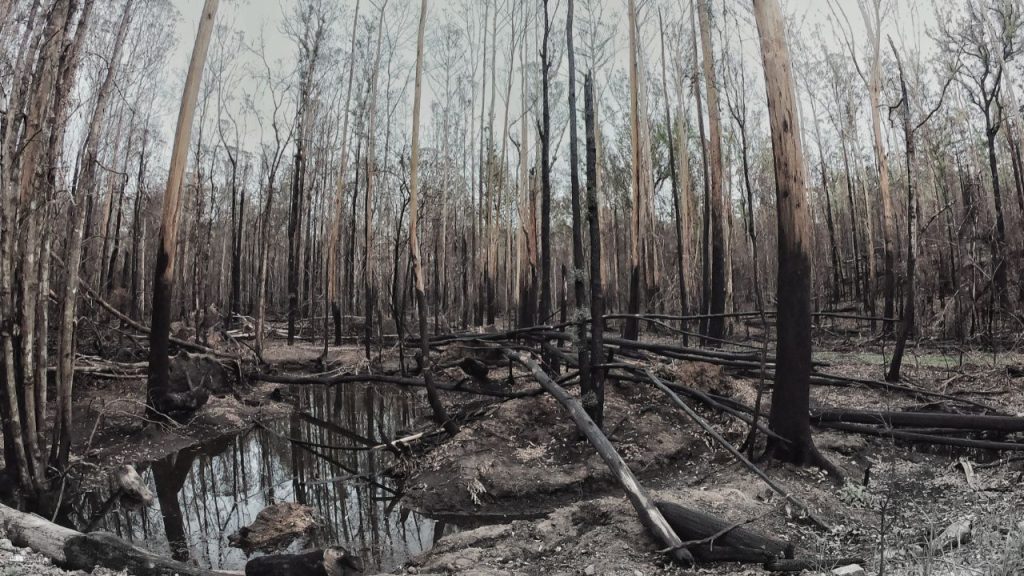
Drive west out of Ipswich along the Warrego Highway now and you’d barely know anything happened. Traffic’s moving at full speed again through Plainland, servos are open, and the truck stops are back to their usual hum. But pull off onto the back roads around Grantham and Placid Hills, and the black stretches of paddock still tell the story of a weekend that gave a lot of Lockyer Valley families a scare.
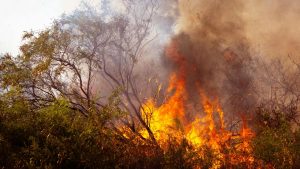
The fire that started near Plainland jumped the Warrego Highway on a Sunday afternoon, closing the road in both directions between Brisbane and Toowoomba. It came at the tail end of an unusually hot patch of spring weather, with inland temperatures hitting the mid-30s, some of the warmest September readings the region’s seen since 2019. Firefighters were stretched thin that day, dealing with dozens of separate blazes across the south east, and the Plainland fire alone put up to 20 homes under a Prepare to Leave warning before strong, shifting winds pushed it back under control.
It’s been a tense fortnight since then. The highway itself reopened within hours, back in the evening once crews had it contained enough to let traffic through, but that was really just the start of the cleanup. For residents living closer to the fire ground, the reopening of a highway doesn’t mean much if your own driveway’s still blocked by fallen branches or your fence line’s gone.
So what’s actually back to normal, and what isn’t?
The Warrego Highway is fully open in both directions, with no restrictions on trucks or general traffic. That’s the one everyone driving between Brisbane, Ipswich and Toowoomba cares about most, and it’s been running clean since the night of the fire. Local roads around Plainland and Grantham took longer. Several side roads stayed closed for days afterward while crews checked for unstable trees and downed power lines, and a couple of smaller gravel tracks off Charlton Esk Road are still marked as access for residents only while repair crews finish clearing debris.
Grantham’s little strip of shops, the ones that took such a beating in the 2011 floods, came through this one mostly unscathed. The bakery and the general store never actually closed, though the owner told us trade dropped off hard for about four days because nobody wanted to drive through smoke haze just to grab a pie. “We had blokes calling ahead asking if we were even open,” said Dale Whitfield, who runs the general store on the main strip. “Once the highway reopened people started trickling back in, but it took a bit longer than the road did.”
Power was the other big headache. Energex crews had crews out through most of the following week reconnecting properties where lines had been damaged by falling trees near the fire front, and a handful of rural properties around Mulgowie were without power for close to five days. Most of that’s sorted now, though the council’s still fielding calls from a few households waiting on final line repairs.
Water’s a different story again. The Lockyer Valley sits on bore water and tank supply for a lot of its rural blocks, and several residents reported ash contamination in their tanks after the fire passed close by. Council has been running a free tank-testing service out of the Gatton office for anyone unsure whether their water’s safe to drink, and it’s worth calling ahead if you’re in one of the affected pockets rather than assuming it’s fine.
As for the fire itself, QFES crews spent the better part of a week doing mop-up work along the containment lines before officially calling it out. There’s still a fire ban in place across parts of the Lockyer Valley Regional Council area, and it’s not going anywhere while the ground stays this dry. If you’re planning a weekend camping trip out that way, check current restrictions before you light so much as a gas cooker, because rangers have been doing spot checks.
For anyone wanting to actually see the recovery firsthand rather than just hear about it, the drive out through Plainland and Grantham on a Sunday still makes for a decent day trip. The scorched paddocks are confronting up close, sure, but there’s also something in seeing a community that’s clearly done this before and knows exactly how to get back on its feet. A lot of the cafes and produce stalls along that stretch could use the custom too, especially with tourist traffic having dropped off during the worst of the smoke.
If your property was affected and you haven’t already, it’s worth registering with the Queensland Reconstruction Authority. Even minor damage, like fencing or outbuildings, can sometimes be covered under disaster recovery funding once an area’s been declared, and the paperwork’s a lot less painful if you get in early rather than waiting until you actually need the payout.
The bigger question hanging over the Lockyer Valley now is whether this was a one-off or a sign of what the rest of spring looks like. With temperatures already running hotter and drier than usual for this time of year, QFES has flagged that fire danger ratings across the wider south east could stay elevated well into November. Locals who’ve lived through a few of these seasons aren’t taking any chances, and neither should visitors planning to spend time out that way.
For now, though, the highway’s clear, the shops are open, and the valley’s doing what it always does after a scare like this. Getting on with it.